How to Start a Hair Salon A Practical Guide for Entrepreneurs

So, you’re ready to turn your passion for hair into a real business. It’s an exciting thought—creating a space that reflects your style, building a team, and making clients feel incredible. But I’ve seen enough salon owners to know that passion alone doesn’t pay the bills. The most successful ones balance their creative vision with some serious business savvy.
Let’s get that part right from the start.
Your Roadmap: From Big Idea to Grand Opening
Opening a salon is a journey, not a sprint. It’s easy to get caught up in the fun stuff like picking out decor, but true success comes from a methodical approach. You have to build a solid foundation first.
I like to think about it in three distinct phases: Vision, Plan, and Launch. It’s a simple but powerful way to keep yourself organized and on track.

Think of this as your blueprint. Each phase builds on the last, turning your initial dream into a business that’s ready for clients.
From Dream to Reality
Every great salon begins with a clear concept. Who are you serving? Are you dreaming of a high-end luxury retreat, a quick and trendy cut bar, or a warm, family-friendly spot for the neighborhood? Nail this down first, because it will shape every single decision you make later.
Of course, an idea is just an idea until you back it up with a business plan. Don’t skip this. Your business plan is the single most important document you’ll create. It’s what you’ll use to get funding, and it’s your personal guide for market research, financial projections, and marketing.
Laying the Groundwork for Success
Once the vision is clear, it’s time to tackle the logistics. This part can feel like a mountain of paperwork and decisions, but if you take it one step at a time, it’s completely manageable.
Your main priorities will be:
- Getting Legal: This means registering your business name, setting up an LLC or another business structure, and getting every single state and local permit required. Don’t cut corners here.
- Location and Layout: Finding the perfect spot is huge. You’ll also need to design a floor plan that creates a great client experience while letting your stylists work efficiently.
- Building Your Team: Your stylists are the heart of your salon. Focus on hiring talented people who believe in your brand and will help you build a positive, supportive culture.
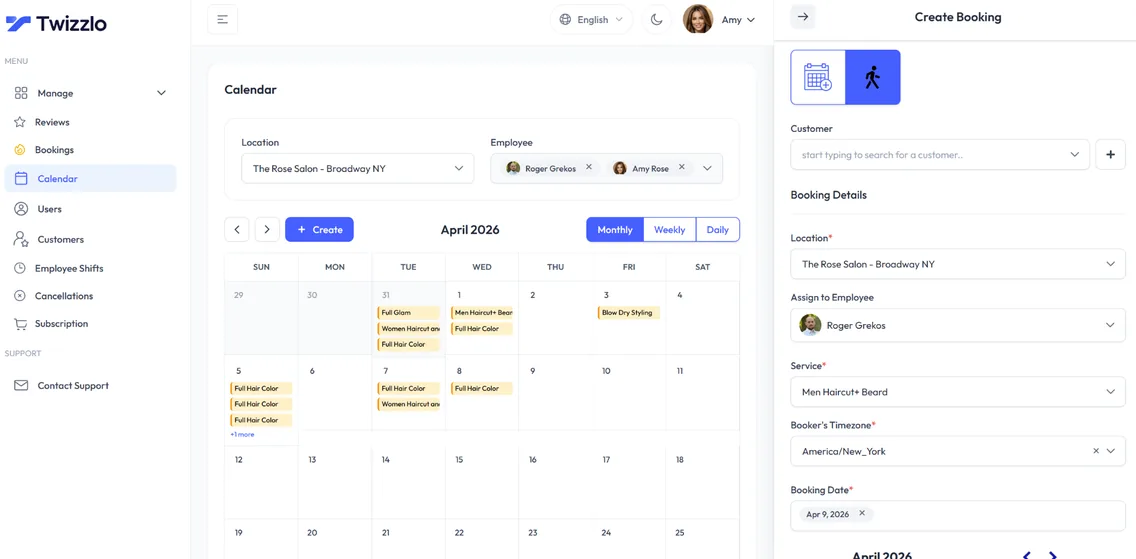
Here’s a piece of advice I give every new owner: Don’t treat your salon software as an afterthought. From day one, you need a solid system for online booking, client management (CRM), and payments. Trying to run a modern salon on paper or with clunky, separate apps is a recipe for chaos.
As you move through this process, remember you’re not alone. Hearing from people who have already been through it can be incredibly helpful. You can get some real-world perspective from stories shared by other hair salon owners.
In the sections ahead, we’ll break down each of these steps with practical, actionable advice to help you build a salon that doesn’t just open, but thrives.
Crafting Your Business Plan and Securing Funding
Let’s be real: a business plan isn’t just a stuffy document you write for a bank. It’s your salon’s blueprint. This is where you get brutally honest with yourself about your vision, your numbers, and your strategy. It’s the process that turns that “dream salon” in your head into a real, actionable plan.
Think of it as proving you’ve got the business chops to match your creative talent. Before you even think about your salon’s name or color scheme, you need to become an expert on your local market.
Defining Your Target Market and Niche
Who, exactly, is going to sit in your chairs? If your answer is “everyone,” you’re setting yourself up to be invisible. The most successful salons know their ideal client inside and out.
Are you building a haven for busy professionals who need a perfect blowout and a quick escape? Or are you creating a vibrant, edgy space for a younger crowd that lives and breathes the latest trends?
Knowing your audience dictates every single decision you’ll make—from the music you play to the services you offer. For example, industry stats show that millennials now account for 42% of all salon clients, and a massive 78% of Gen Z clients say they prefer sustainable salons. If that’s who you’re after, your plan needs to shout about eco-friendly products and on-trend services. You can get more insights from this detailed salon industry report.
To really nail down your niche, ask yourself a few key questions:
- Demographics: What’s the age, income, and lifestyle of the person you want in your chair?
- Psychographics: What do they value? What are their frustrations with other salons? Are they looking for relaxation, a total transformation, or just a quick, quality cut?
- Market Gaps: Look around your town. What’s missing? Is there a desperate need for a top-notch curly hair expert, a dedicated men’s grooming lounge, or a salon specializing in all-natural color?
Answering these will help you find your unique selling proposition (USP)—that one special thing that makes your salon the only logical choice for your ideal client.
Projecting Your Startup Costs and Revenue
Once you know who you’re serving, it’s time to figure out the how much. This is the part that often feels intimidating, but getting your numbers straight is non-negotiable for getting funded and staying afloat. The financial planning process is pretty similar for most service-based businesses; for a different angle, you might find our guide to creating a business plan for massage therapy useful.
Startup costs can swing wildly, but you need to be realistic. For a new, mid-size salon, you should plan for an initial investment somewhere between $100,000 and $300,000. This isn’t just for rent—it covers everything from construction and plumbing to your first order of color and your grand opening party.
A detailed financial projection isn’t just for lenders—it’s for you. It helps you understand your break-even point, set realistic service prices, and manage your cash flow effectively from day one. Don’t estimate; research and get real quotes.
To give you a clearer picture, here’s a sample budget to help you anticipate where that money will go.
Estimated Startup Cost Breakdown for a Mid-Size Salon
This table provides a sample budget to help you anticipate the major expenses involved in opening a hair salon.
| Expense Category | Estimated Cost Range (USD) | Key Considerations |
|---|---|---|
| Lease Security Deposit | $5,000 – $20,000+ | Varies by location and square footage; often 2-3 months’ rent. |
| Salon Build-Out & Design | $20,000 – $100,000+ | Includes plumbing, electrical, flooring, and aesthetic finishes. |
| Styling Stations & Chairs | $10,000 – $40,000 | Quality chairs are a long-term investment in client comfort. |
| Backwash/Shampoo Units | $3,000 – $15,000 | Proper plumbing is a major factor in this cost. |
| Initial Product Inventory | $5,000 – $20,000 | Includes color lines, backbar products, and retail items. |
| Business Licenses & Permits | $500 – $5,000 | Varies significantly by state and city regulations. |
| Marketing & Grand Opening | $3,000 – $10,000 | Covers website, online booking setup, and launch promotions. |
Remember, these are just estimates. Your actual costs will depend heavily on your location, the size of your space, and the level of finish you’re aiming for.
Securing the Funding for Your Vision
With a polished business plan and solid financials in hand, you’re ready to go after the money. Don’t let the big numbers scare you off—there are several well-worn paths to getting the capital you need.
Here are the most common funding options for new salon owners:
- SBA Loans: These loans are backed by the Small Business Administration and often come with better terms for first-time entrepreneurs.
- Traditional Bank Loans: A solid business plan and good personal credit are key. Be prepared to offer some form of collateral.
- Investors: You can pitch your vision to angel investors or a small group of private backers who will provide cash in exchange for a piece of the business.
- Personal Savings & “Friends and Family” Loans: Many salon owners start by self-funding or borrowing from people in their personal network who believe in them.
When it’s time to make your pitch, lead with your passion, but immediately back it up with hard data. Show them you’ve done the homework and have a clear, realistic roadmap for building a profitable, successful salon.
Getting Legal and Finding Your Spot: The Nitty-Gritty Details
Once your business plan is down on paper, it’s time to shift from dreaming to doing. This next part is all about building the foundation—first the legal side, then the physical one. Honestly, this phase is less about glamour and more about grinding through details, but getting it right from the start will save you massive headaches down the road.
First things first, let’s get your business legit. After that, we’ll get to the exciting part: hunting for the perfect location for your new salon.
How Should You Structure Your Business?
One of the very first decisions you have to make is a legal one: how to structure your business. This choice directly affects how you’re taxed, your level of personal liability, and the amount of paperwork you’ll be dealing with. Don’t just pick one at random; this has real financial consequences.
For most new salon owners, the choice boils down to a Sole Proprietorship or a Limited Liability Company (LLC).
-
Sole Proprietorship: This is the simplest path. Legally, you and your business are the same entity. It’s incredibly easy to set up, but there’s a huge catch: you have zero liability protection. If your salon gets sued or racks up debt, your personal assets—your house, your car, your savings—are all on the line.
-
Limited Liability Company (LLC): An LLC creates a legal wall between you and your business. This is a game-changer because it shields your personal assets if things go south with the business. It does involve a bit more paperwork and a registration fee, but the protection it buys you is worth its weight in gold.
For almost everyone learning how to start a hair salon, forming an LLC is the way to go. The peace of mind alone is worth far more than the initial setup fee and paperwork.
Your Essential Legal Checklist
With your business structure chosen, it’s time to make it official with the government.
You’ll need to register your business name. This is usually part of the LLC registration process. If you go the sole proprietorship route and want to use a catchy salon name (and not just your own legal name), you’ll have to file for a “Doing Business As” (DBA) name.
Next up is your Employer Identification Number (EIN) from the IRS. It’s like a Social Security number for your business, and it’s absolutely necessary for hiring staff, opening a business bank account, and filing taxes. The best part? It’s free and you can get it online in minutes.
Don’t make the mistake of stopping at a general business license. Your state’s Board of Cosmetology and the local health department have their own rulebooks. You’ll need to pass their inspections and secure their specific permits before you can legally touch a single client’s hair.
Finding the Right Salon Location
Once the legal stuff is squared away, your focus can shift to finding a physical home for your salon. I can’t overstate this: your location is one of the most critical factors for success.
So, what’s the better play? A pricey spot with tons of foot traffic in a shopping center, or a quieter, “destination” salon off the beaten path with cheaper rent?
High-traffic areas give you instant visibility and the chance for walk-in clients, but that exposure comes with a hefty price tag. A destination spot can work wonders if you already have a loyal following or a brilliant marketing strategy, but it’s a much bigger gamble for a brand-new business.
Before you even think about signing a lease, do your homework on any potential space:
- Zoning: Pop down to your city or county office and confirm that a salon is actually a permitted use for that address. You don’t want any surprises after the fact.
- Infrastructure: This is a big one. Does it have enough plumbing and electrical hookups for your shampoo bowls, an army of blow dryers, and all your tools? Upgrading these systems is a budget-killer.
- Lease Terms: Read the lease agreement with a fine-tooth comb. Pay close attention to clauses about rent increases, who’s responsible for maintenance, and any rules about signage or your hours of operation. Seriously, have a lawyer look it over before you sign anything.
Designing Your Salon Space and Choosing Equipment

This is where your vision starts to take physical shape. Your salon’s design is so much more than just picking out pretty furniture—it’s the living, breathing embodiment of your brand. It dictates how clients feel when they walk in and how efficiently your team can work.
Think about the client’s journey from the moment they open the door. Does the reception area feel like a warm welcome or just a transaction counter? A comfortable spot to wait and an inviting retail display can completely change their perception before they even sit in a chair. Every square foot has a job to do.
Creating a Functional and Beautiful Salon Layout
Before you fall in love with a certain aesthetic, map out your space with function as the top priority. The ultimate goal is a smooth, logical flow for everyone, eliminating those awkward bottlenecks that can throw off a busy day.
Think about the natural path through the salon’s key zones:
- Reception & Waiting Area: This is your first impression. Keep it clean, welcoming, and easy to navigate. A cluttered desk or a chaotic waiting area can send a message of disorganization right from the start.
- Styling Stations: This is where the magic happens. Your stylists need enough room to move freely, brilliant lighting (bad lighting is a colorist’s worst nightmare), and their tools within arm’s reach.
- Shampoo & Processing Area: This space should feel like a mini-retreat. Invest in comfortable backwash units—nobody likes a sore neck. Separating this area even slightly can create a more relaxing, spa-like experience.
- Color Bar & Dispensary: A well-organized color bar is a secret weapon for efficiency. It saves stylists precious time and dramatically cuts down on product waste. Make sure it’s accessible but not in the middle of a client walkway.
When your space is designed with your team in mind, you’ll see it in their productivity and morale. For more inspiration and detailed floor plans, check out our complete guide to creating the perfect hair salon layout.
Your Essential Salon Equipment Checklist
Now for the fun part: shopping. It’s easy to get overwhelmed, but investing in quality equipment from the start will pay for itself. A wobbly styling chair or a weak blow dryer doesn’t just look unprofessional—it can ruin the client experience.
Here’s a practical breakdown of the big-ticket items you’ll need to get started.
| Equipment Category | Must-Have Items | Pro Tip |
|---|---|---|
| Styling Stations | Styling chairs, full-length mirrors, stylist trolleys or carts, anti-fatigue mats | Go for chairs with solid hydraulics that are built for both client comfort and stylist ergonomics. |
| Shampoo Area | Backwash units with integrated bowls, towel warmers, comfortable seating | This is a major touchpoint for client comfort. Don’t skimp on quality shampoo bowls. |
| Processing & Drying | Hooded hair dryers, heat processing lamps for color services | Plan for your busiest day. Make sure you have enough dryers to avoid client wait times. |
| Reception & Ops | Reception desk, POS system, phone, retail shelving, appointment book | A cloud-based salon system is non-negotiable for modern scheduling and client management. |
This list is the skeleton of your salon. From here, you’ll flesh it out with your day-to-day tools, capes, towels, and your chosen backbar and retail product lines.
Integrating Technology for a Modern Edge
Let’s be real: running a salon today means embracing technology. Clients, especially younger ones, expect the ease of online booking and digital communication. Industry data shows that by 2026, the salons that truly thrive will be those that have adopted smart tech, with 78% of Gen Z preferring businesses that are both tech-savvy and eco-conscious. You can see how modern salons are outperforming traditional models with Wifitalents.com.
Integrating your Point of Sale (POS) and online booking software from day one isn’t an “extra”—it’s a foundational part of your business. It streamlines everything from scheduling and payments to client history and inventory.
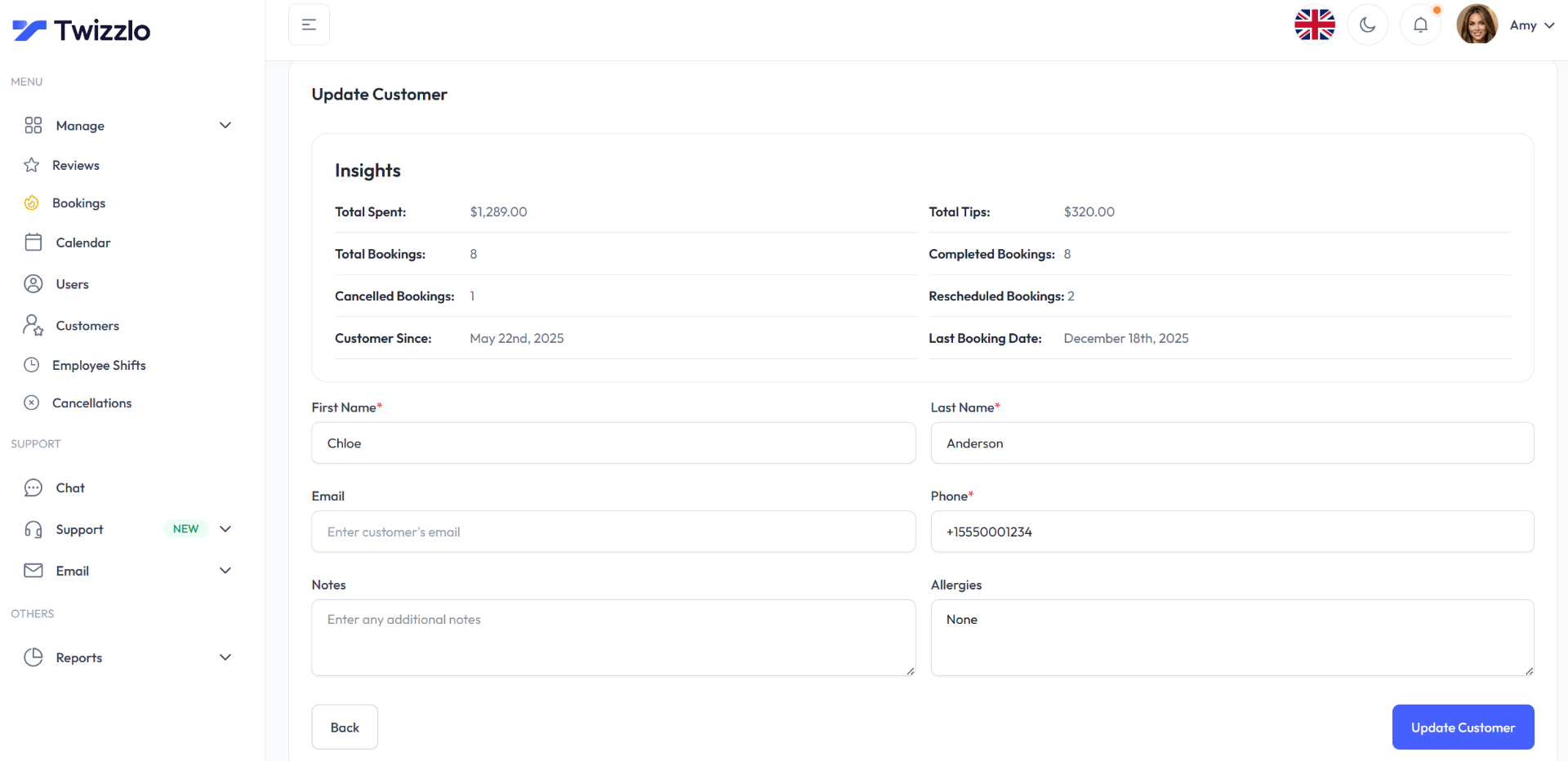
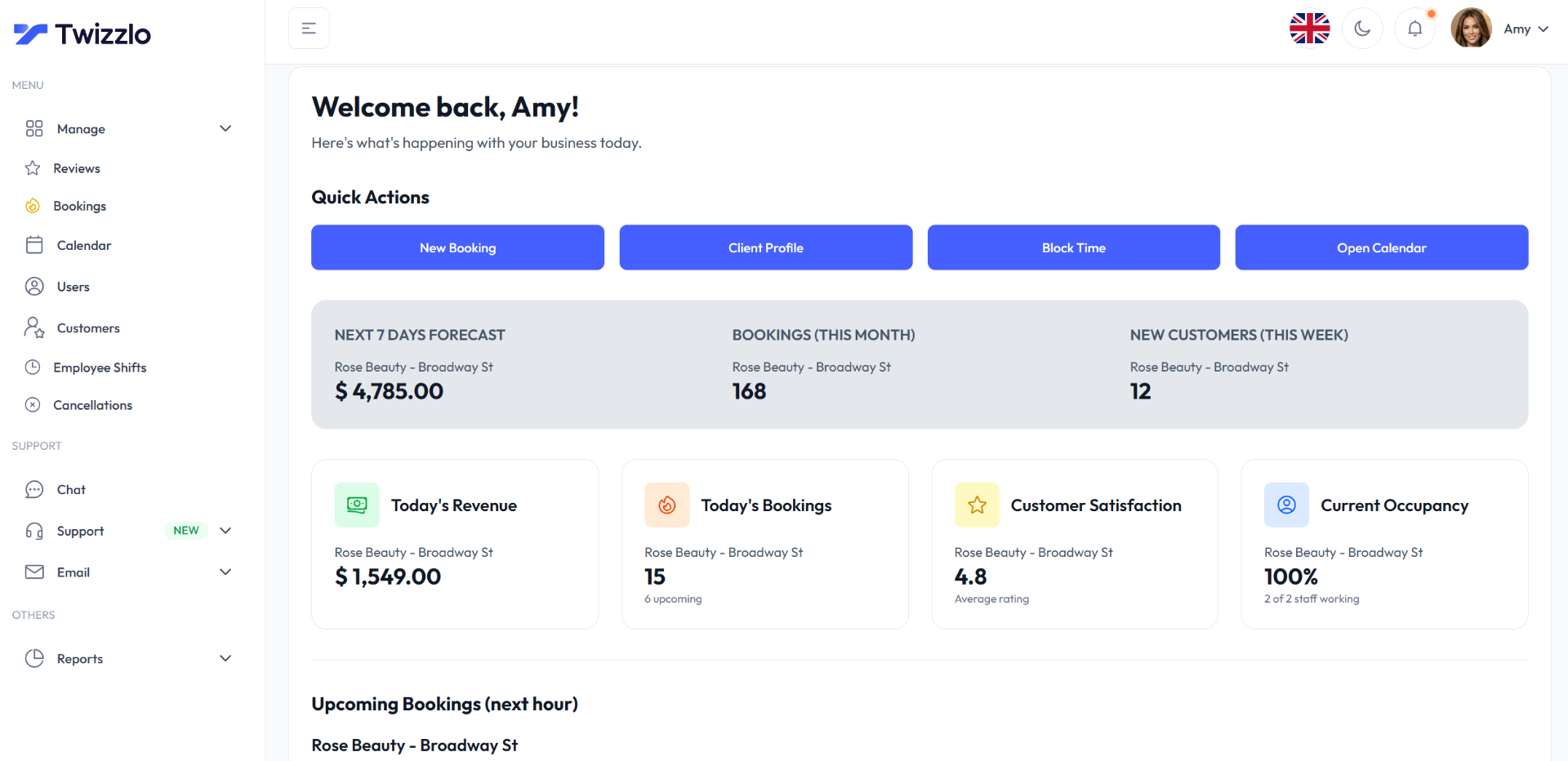
Trying to piece together different apps for booking, payments, and marketing is a recipe for chaos. An all-in-one system gives you a single, clear dashboard for your entire operation. You’ll know exactly which services are most popular, who your top clients are, and when to reorder your best-selling products. This is how you run a smart, sustainable business from the get-go.
Building Your Dream Team and Crafting Your Service Menu

Let’s be honest—you can have the most beautiful, perfectly designed salon in the city, but it’s your stylists who truly make or break your business. They are the heart and soul of the client experience. Finding people with great technical skills is the easy part. The real challenge is finding stylists who will act like partners in building your brand from behind the chair.
A stylist can execute a flawless balayage, but if they can’t build a genuine connection with their client, you’ll struggle to create the loyal following your salon needs to thrive.
Finding and Hiring Top Stylists
Finding great stylists is a hunt, not a waiting game. Simply posting a “now hiring” sign on your door and hoping for the best is a recipe for disappointment. You need to be proactive.
Get out there and network. Go to local beauty schools and build real relationships with the instructors—they know who the promising up-and-comers are. Spend time on Instagram searching local hashtags for stylists in your area. You can learn a lot about their work quality, professionalism, and client engagement just from their feed.
Once you have candidates, the interview is about much more than their resume. Technical skills can always be sharpened, but a great personality and work ethic are priceless. Dig deeper with questions that reveal how they handle real-world situations.
- Try scenario-based questions: “A client is unhappy with their color, even though you did exactly what they asked for. What do you do?” Their answer reveals everything about their problem-solving and client care instincts.
- Talk about their career goals: Are they just looking for any chair to work from, or are they seeking a long-term salon home where they can grow with you?
- Gauge their passion: Do they get excited talking about continuing education, new techniques, or their favorite products? Passionate stylists are motivated stylists.
The final, non-negotiable step is a hands-on skills test. Have them bring in a model for a pre-arranged service, like a cut and some foils. You’re not just watching their technical ability; you’re observing their entire process—how they conduct a consultation, their professionalism, their cleanliness, and their overall vibe.
Choosing the Right Compensation Model
How you structure pay is one of the biggest decisions you’ll make, and it directly shapes your salon’s culture and financial health. There are a few ways to go, each with its own set of trade-offs.
Commission-Based (Employee Model)
- The upside: As the owner, you have complete control over brand standards, service quality, and pricing. It encourages a team-first atmosphere where everyone is working together.
- The downside: You’re on the hook for payroll taxes, benefits, and supplying all products and tools. This model carries more financial responsibility for you.
Booth or Suite Rental
- The upside: This gives you a predictable, steady stream of income every month. The stylists are independent contractors, so your management duties are minimal.
- The downside: You lose almost all control. Renters set their own prices, hours, and service standards, which can create a disjointed and inconsistent brand experience for clients.
For most new salon owners who are serious about building a strong, cohesive brand, starting with a commission-based employee model is the way to go. It gives you the control you need to create a specific culture and guarantee every client gets the exceptional experience you envisioned.
Your service menu isn’t just a list of what you do—it’s a critical marketing tool and a roadmap for your salon’s profitability.
Designing a Profitable Service Menu
A great service menu is clear, compelling, and built for profit. If it’s cluttered or confusing, you’ll overwhelm clients. A well-designed menu, on the other hand, naturally guides them toward higher-value services.
First, do your homework. See what other successful salons in your area are charging. You don’t have to copy them, but you need to understand the local market. Next, calculate your true cost per service—this includes product, the stylist’s time, and a portion of your salon’s overhead. Your price needs to cover all that and still leave a healthy profit margin.
To really drive revenue, think about how you can increase the value of each appointment.
- Create Service Bundles: Package popular services together, like a cut, color, and conditioning treatment, at a slight value. This encourages clients to book more in a single visit.
- Develop Signature Services: Offer a unique, premium experience that clients can only get at your salon. Think of a “Luxe Renewal Treatment” that includes a high-end mask, extended scalp massage, and a pro blowout.
- Promote Smart Add-Ons: Train your team to suggest quick, high-margin additions during the consultation. Things like a toner, a gloss treatment, or an eyebrow tint are easy upsells.
A well-planned menu does more than just make you money; it makes it easy for clients to get exactly what they want, improving their overall experience. For more inspiration, take a look at our comprehensive guide to building a complete salon services list.
Marketing Your New Salon and Attracting Your First Clients

You can design the most gorgeous salon in the city, but if your chairs are empty on opening day, that beautiful design doesn’t mean much. The biggest mistake new owners make is waiting until the doors are open to think about marketing. The real work starts months ahead of time, building buzz so you have a packed appointment book from day one.
Start sharing your journey long before you’re ready for clients. Post behind-the-scenes photos and videos of the renovation on Instagram and Facebook. Show off sneak peeks of your color scheme, introduce your first stylists, and let people feel like they’re part of the story. This creates a group of followers who are genuinely excited for you to open.
Building Your Digital Foundation
Before anyone steps foot in your physical salon, they’ll visit your digital one. Your website and online profiles need to be polished and ready to go. Think of your website as your virtual front desk—it should look professional, capture your brand’s vibe, and make booking an appointment almost effortless.
Next, and this is crucial, get your Google Business Profile claimed and completely filled out. For a local business like a salon, this is non-negotiable. It’s how new clients will find you when they search for “balayage near me.” Upload plenty of high-quality photos of your space (even during the build-out!), list your services, and make sure your location and hours are perfect.
Here’s a tip I can’t stress enough: your website needs online booking from the moment it goes live. A huge number of clients book appointments late at night or on their lunch break. If they have to call you, you’re just losing business while you sleep.
While you’re building out your site, add a simple pop-up or a banner offering an exclusive grand opening discount for anyone who joins your email list. This gives you a direct line to your most eager potential clients. When you’re ready to open the books, you’ll have a warm audience waiting. Using a good booking manager app from the start will keep all these new appointments organized and professional.
Launching With a Bang and Keeping Momentum
Your grand opening isn’t just a party—it’s your first big marketing event. This is your chance to make a splash in the community and get people talking.
- Connect with local businesses. See if a neighboring boutique will co-host or if a nearby cafe will offer samples. Cross-promotion is powerful.
- Invite local influencers. Offer a complimentary cut and color to a few local micro-influencers in exchange for them sharing their experience with their followers.
- Create a shareable moment. A “selfie station” with a custom neon sign and your salon’s hashtag is an easy way to encourage user-generated content.
Once the confetti from the launch party settles, the focus shifts to creating a steady stream of new clients and, more importantly, turning them into regulars.
Here are a few proven tactics to keep the momentum going:
- New Client Specials: A simple offer like 20% off a first visit is often all it takes to convince someone to give your salon a try.
- Referral Programs: Turn your happy clients into your best marketers. Give them a credit toward their next service for every new client they send your way. It’s a classic for a reason—it works.
- Targeted Social Media Ads: Don’t just “boost” posts. Use the powerful targeting tools on Facebook and Instagram to run ads for your new client special directly to people in your area who have shown an interest in hair care and beauty.
Common Questions We Hear from New Salon Owners
As you get deeper into the planning process, you’re bound to have some big questions swirling around. Everyone does. Let’s tackle a few of the most common ones we see so you can move forward with a clear head and sidestep some of those classic first-timer traps.
How Much Profit Can a Salon Realistically Make in the First Year?
This is the million-dollar question, isn’t it? While your first year is heavily focused on growth and reinvestment, a well-managed salon can absolutely aim for a profit margin of 8-15%.
A huge chunk of your initial revenue will go right back into paying off startup costs and funding your marketing. The key to getting into the green faster is to strategically build your service menu.
You’ll want to lean into high-margin offerings like:
- Specialty color services, such as balayage and advanced color correction
- Smoothing and texture treatments like keratin
- A killer retail program featuring exclusive, high-quality products your clients can’t get on Amazon
These services bring in more revenue per hour than a standard haircut, giving you the financial traction you need to build momentum early on.
What’s the Biggest Reason New Salons Fail?
It’s almost never about a lack of talent or passion. The number one reason salons don’t make it is poor business management. So many incredible stylists jump into ownership without a firm grip on the numbers and systems that keep the business running.
The most common sinkholes are starting with too little cash, not managing cash flow effectively, having a weak marketing plan that fails to bring in a steady stream of clients, and clunky scheduling. Strong business systems are your absolute best defense from day one.
Should I Use a Booth Rental or Commission Model?
This decision really shapes your entire brand and daily operations, so it’s a big one. There’s no single right answer—it all comes down to your vision.
With the booth rental model, you get predictable, stable income and far less day-to-day staff management. The trade-off? You give up a lot of control over the client experience and brand consistency.
The commission (employee) model puts you in the driver’s seat. You control the training, the quality of service, and the overall culture. This is the path you take when you want to build a specific, premium brand experience. It’s more work and carries more financial responsibility, but most of the top-tier salons you admire were built this way.
Juggling appointments, staff schedules, and client details shouldn’t be what keeps you up at night. Twizzlo pulls everything into one simple dashboard, so you can handle online booking, manage your client list, and schedule your team without the headache—all for one predictable price. Get the tools you need to launch strong. Check out your options at https://twizzlo.com.