How to Start a Nail Salon: A 2026 Step-by-Step Guide

Published: April 30, 2026
Last updated: April 30, 2026
Read time: 14 min

The nail salon market is large enough to reward disciplined operators and crowded enough to punish sloppy planning. Globally, the market was valued at USD 11.96 billion in 2023 and is projected to reach USD 20.30 billion by 2030, according to Grand View Research’s nail salon market report. That’s the opportunity. The risk is opening a beautiful salon with weak numbers, a bad lease, and systems that break the moment you hire your second tech.

Most advice on how to start a nail salon stops at a checklist. Real owners need more than a checklist. They need a plan that protects cash, keeps them compliant, and avoids decisions that look cheap at startup but get expensive fast.

Crafting Your Nail Salon Business Plan and Securing Funding

A business plan for a nail salon only matters if it helps you make better decisions under pressure. Lenders want to see whether the numbers hold up. You need to know whether the salon can survive a slow first quarter, whether your pricing supports payroll, and how much working capital you’ll need before the chairs are consistently full.

According to SBDCNet’s beauty salon industry report, startup costs for a nail salon can range from $100,000 to $500,000 to build from scratch. The same report says average salons generate $150,000 to $300,000 in annual revenue, with owner salaries of $40,000 to $75,000, and require more than $20,428 in monthly revenue to break even on fixed costs like rent and insurance. Those numbers should shape your entire plan.

A visual roadmap outlining the six essential steps for creating a successful nail salon business plan.

Start with a local demand case

A weak business plan says, “There are lots of people nearby.” A bankable one defines who will book, what they’ll book, and why they’ll choose you over the salon down the block.

Look at:

  • Neighborhood buying habits by observing nearby beauty businesses, retail patterns, and parking behavior.
  • Competitor positioning such as budget walk-in, premium nail art, natural nail care, or high-volume pedicure traffic.
  • Client friction like poor booking experience, inconsistent sanitation, long waits, or unclear pricing.

If you can’t explain the gap in the market in plain language, your plan is still too vague.

Practical rule: Don’t build projections from hope. Build them from service capacity, realistic pricing, and how many appointments your team can actually deliver each week.

Build projections from the chair upward

Revenue forecasting for a nail salon works best from operational reality, not top-down wishful thinking. Start with the number of stations, service mix, expected utilization, and staffing model.

A simple way to pressure-test projections:

Planning area What to define
Service mix Core services that will drive repeat visits
Capacity How many appointments your team can handle without rushing
Pricing Rates that cover labor, supplies, rent, and admin time
Ramp-up How quickly bookings will build after opening
Cash reserve How long the salon can absorb uneven demand

Most early plans fail because they underestimate downtime. A station that looks profitable on paper can sit empty if your location is weak, your booking flow is clunky, or your launch marketing starts too late.

Ask for funding with a use-of-funds breakdown

Lenders and investors respond better when funding requests are tied to specific uses. “We need capital to open” is weak. “We need capital for build-out, equipment, opening inventory, licensing, insurance, and operating cushion” is credible.

Use categories, not vague buckets:

  • Build-out and fixtures for plumbing, electrical, ventilation, flooring, and reception
  • Equipment for stations, pedicure chairs, lamps, sanitation setup
  • Opening inventory for polish, gels, disposables, retail stock
  • Professional costs for legal, accounting, permits, and insurance
  • Working capital for the early months when bookings are still building

A strong plan also shows what happens if opening takes longer than expected. That’s where founders get trapped. They budget for setup, then run short on cash just as the salon begins attracting regulars.

For a useful example of how service businesses structure assumptions and funding logic, this guide to a business plan for massage therapy is worth studying. The format translates well to salons because the same pressure points apply. Capacity, repeat bookings, staffing, and fixed overhead.

Define a position that clients will remember

Your USP shouldn’t be “great service.” Every salon says that. A position works when it changes a booking decision.

Better examples include:

  • Fast lunch-break manicures for office workers nearby
  • Quiet premium appointments with stronger privacy and longer service times
  • Nail art and design specialization for higher-ticket clients
  • Clean natural nail care with a sharper sanitation and wellness angle

Funding follows clarity. If your plan shows where demand comes from, how the salon reaches break-even, and why clients will return, it becomes much easier to defend.

Navigating Licenses, Insurance, and Legal Structures

The legal side of how to start a nail salon isn’t exciting, but it’s where expensive mistakes begin. Owners usually rush branding and design, then treat licensing and insurance as paperwork to finish later. That’s backward. You want the legal shell in place before you sign major contracts or start hiring.

Choose the structure before you spend heavily

Many owners start with an LLC because it separates business liabilities from personal assets more cleanly than operating informally. That doesn’t replace insurance, but it gives you a more durable foundation for leases, vendor accounts, banking, and payroll.

Your checklist should be simple:

  1. Register the business entity with your state.
  2. Apply for an EIN for taxes, payroll, and banking.
  3. Open a business bank account before taking deposits or paying vendors.
  4. Register your business name if your operating name differs from the legal entity.

The reason to do this early is practical. Once money starts moving through personal accounts, cleanup becomes painful.

Treat salon licensing as a site-specific issue

Licensing isn’t only about your personal credentials. It usually touches the business, the premises, and the staff. Nail salon owners need to verify state board requirements, establishment licensing, local permit rules, and any health or inspection standards tied to the physical site.

The market opportunity is real, but new entrants only benefit if they start on solid footing. As noted earlier, the global market is projected to grow, which supports new entrants that establish their legal and financial foundations properly.

Compliance delays rarely come from one big issue. They come from several small misses, like a missing permit, an unapproved floor plan, or insurance that doesn’t match the actual operation.

Buy insurance that matches the work you actually do

General liability is the baseline. Many owners also need coverage that reflects professional services, property exposure, and employee-related risk. The right package depends on whether you lease space, own equipment, employ staff, or rent chairs.

If you’re comparing coverage options and want a plain-English starting point, this resource on Professional Insurance Advisors for business liability gives a useful overview of how small business liability protection is typically structured.

One more legal point gets missed often. If you expect to use booth rental at any point, get the structure reviewed before you put it into practice. This sample guide on a booth rental contract is useful for seeing how terms are usually documented, even if your attorney customizes the final agreement.

Keep a compliance file from day one

Don’t scatter documents across inboxes and text threads. Keep one operating file with:

  • Entity and tax records
  • Lease and landlord approvals
  • Business licenses and permit copies
  • Insurance certificates
  • Technician license copies
  • Inspection records and renewal dates

Owners who stay organized spend less time reacting. That matters once the salon is busy and one missing document can hold up payroll, inspections, or a lease requirement.

Finding and Designing Your Perfect Salon Location

A nail salon location is more than an address. It determines your rent burden, client convenience, staffing appeal, and the kind of services you can realistically deliver. A mediocre salon in the right place often outperforms a beautiful one tucked into a bad site.

A modern and minimalist nail salon lobby with a sleek stone reception desk and bright open windows.

Read the site like an operator, not a shopper

When you tour spaces, stop asking whether the unit feels attractive. Ask whether it works. Can clients find parking easily. Can plumbing support pedicure areas. Can the building handle ventilation requirements. Does the landlord have a track record of approving tenant work quickly.

According to Shopify’s guide on starting a nail business, you should aim for Tenant Improvement allowances where landlords cover 20% to 50% of build-out costs, which can mean $10,000 to $30,000 in savings. The same guide notes you need to confirm the site is zoned for salon use and can support ventilation systems compliant with OSHA standards to avoid fines or closure.

That one detail changes the economics of the deal. A cheaper lease with no TI support and expensive retrofitting needs can cost more than a higher-rent space with a landlord contribution.

Negotiate the lease around build-out reality

First-time salon owners often negotiate rent and miss the more important line items. The better play is to negotiate the full occupancy package.

Focus on:

  • TI allowance so part of the build-out burden stays with the landlord
  • Permitted use language that clearly allows salon operations
  • Build-out approval process so contractor plans don’t stall for weeks
  • HVAC and ventilation responsibility so there’s no dispute later
  • Renewal options if the location performs well

If you want a practical primer before speaking with a broker or contractor, Northpoint’s write-up on commercial renovation advice is a useful companion to the lease review process.

The wrong site doesn’t just hurt revenue. It forces awkward layouts, slows service flow, and raises build-out costs before you serve your first client.

Design for movement, sanitation, and repeat business

A profitable salon layout reduces friction. Techs shouldn’t cross each other constantly. Reception shouldn’t bottleneck retail. Pedicure clients shouldn’t feel crammed into a noisy corner if that service is a major revenue driver.

Three layout principles usually hold up:

  1. Keep reception visible so walk-ins know where to go immediately.
  2. Separate service zones enough that manicure and pedicure traffic don’t collide.
  3. Protect back-of-house function with practical storage, laundry, and sanitation space.

Many owners over-design the front and under-plan the work areas. Clients notice aesthetics first, but teams feel operational mistakes all day long.

For inspiration on balancing look and workflow, this example gallery on hair salon layout ideas is useful because the same circulation and zoning principles apply to nail spaces too.

Don’t confuse trendy with durable

Some finishes look great on opening day and age badly under salon traffic. Choose surfaces that clean easily, tolerate chemicals, and still look good after repeated use. Instagrammable design matters. Easy-to-maintain design matters more.

A good location earns twice. It attracts bookings and lowers operational friction. That combination is hard to beat.

Sourcing Equipment and Professional Supplies

Equipment buying is where founders either protect their margins or destroy them. The expensive mistake isn’t always overspending. It’s buying low-grade tools that fail early, slow down service, or create sanitation headaches.

Buy the core equipment first

Your must-have list should reflect actual service delivery, not showroom excitement. Start with what lets you perform safely, consistently, and at the quality level your pricing promises.

Priority purchases usually include:

  • Nail stations that are comfortable for both technician and client
  • Pedicure chairs that are durable and easy to clean
  • UV or LED lamps that match the gel systems you’ll use
  • Ventilation equipment suitable for nail service environments
  • Storage and sanitation tools that support daily turnover

Professional-grade equipment benchmarks from the earlier cited Shopify guide are useful here. It lists nail stations at $300 to $800 each, pedicure chairs at $1,500 to $3,000 per unit, and UV/LED lamps at $50 to $200 each.

Split purchases into must-haves and later upgrades

Not everything belongs in phase one. Custom decor, premium retail displays, and specialty add-ons can wait if they don’t improve service quality immediately.

A useful buying filter is simple:

Buy now Add later
Core service equipment Decorative upgrades
Sanitation and ventilation tools Premium merchandising fixtures
Reliable seating and storage Niche add-on tools
Backbar essentials Nonessential branded extras

Vet suppliers like long-term partners

Ask boring questions. Delivery timelines, warranty handling, replacement part availability, cleaning guidance, and service support. These details matter more than a polished catalog.

Cheap chairs and weak lamps cost more when appointments run late, repairs interrupt service, and clients stop trusting the experience.

Used equipment can work for selected items if condition, sanitation, and maintenance history are clear. But don’t gamble on core pieces that affect client comfort or compliance. Founders remember the purchase price. Clients remember the experience.

How to Hire Nail Techs and Set Up Daily Operations

Early staffing decisions shape your culture faster than your branding ever will. A salon can recover from a soft opening. It struggles much more to recover from hiring the wrong people, setting unclear expectations, and building operations around verbal habits instead of repeatable systems.

A friendly group of professional nail technicians smiling at their clean, well-organized and modern nail salon.

Hire for reliability before style range

A common startup mistake is chasing impressive nail art portfolios while ignoring punctuality, sanitation discipline, and communication. A beautiful Instagram feed won’t save a team member who runs late, skips process, or creates friction with clients.

A better first hire usually has three traits:

  • Current licensing and clean documentation
  • Consistent service standards
  • Professional client communication

According to Jim’s guide to starting a nail business, if you provide supplies and set schedules, you should classify nail technicians as W-2 employees, and 40% to 60% commission on services is a standard compensation structure. That guidance matters because new salon owners often blur the line between employee and independent contractor in ways that create tax and legal exposure.

Know the difference between W-2 and booth rental reality

Here’s a practical scenario. An owner recruits two techs, sets their hours, provides products, controls pricing, and tells them when to take lunch. Then the owner pays them like independent contractors because it seems easier. That setup is exactly where trouble starts.

If you control the work like an employer, treat the worker like an employee. Booth rental is a different model. The renter needs genuine independence, not just a different payment label.

What strong operations look like becomes much easier to understand when you can see a salon workflow in action:

Put SOPs in writing before opening week

Most daily chaos comes from unwritten expectations. Opening duties, station reset, tool sanitation, inventory handling, late arrival procedures, and service consultation standards should all exist in writing before your first rush day.

Use simple SOP categories:

  1. Opening routine for cleanliness, music, POS, product setup, and station readiness
  2. Service flow for check-in, consultation, service timing, upsells, and rebooking
  3. Sanitation logs for disinfecting tools, surfaces, and pedicure areas
  4. Closing routine for inventory notes, cash-out, laundry, and waste disposal

Build the schedule around service quality

Founders often overschedule because empty slots feel scary. Then the techs run behind, clients wait, and everyone leaves stressed. It’s better to protect a workable rhythm from the start.

I’ve seen small salons improve faster when they leave breathing room between early appointments and tighten the schedule only after the team proves it can stay on time. That approach protects reviews and retention.

A rushed salon doesn’t look successful. It looks disorganized.

A good team gives you capacity. Good daily operations turn that capacity into repeat business.

Choosing Salon Software to Manage Bookings and Growth

Software decisions look minor when you’re opening one location with a small team. They stop being minor the moment you add staff, change hours, or need to understand what’s happening in the calendar. This is one of the most overlooked parts of how to start a nail salon well.

A person holding a tablet displaying a salon appointment management app inside a professional beauty salon setting.

Many owners begin with a patchwork setup. One tool for booking, another for reminders, a spreadsheet for staff, and a notebook or phone app for client notes. That works for a minute. Then someone double-books a premium slot, nobody can see visit history, and the owner spends evenings reconciling disconnected systems.

According to Square’s nail salon opening article, 70% of small salons report that scheduling inefficiencies and surprise software fees cost them 15% to 20% in lost revenue. This highlights a core problem with choosing software casually. The monthly fee isn’t the whole cost. Operational drag is.

What matters in a salon system

Look for software that handles the core workflow in one place:

  • Online booking so clients can reserve without calling
  • Automated reminders to reduce missed appointments
  • Client history for preferences, notes, and repeat patterns
  • Staff scheduling so owners can manage availability cleanly
  • Multi-location visibility if growth is part of the plan

The pricing model matters too. Tiered systems often look affordable until you add users, locations, or basic reporting. Then the software starts charging you for growth.

If you’re comparing options, this roundup of salon management software is a practical starting point because it frames the decision around operations, not just features.

Don’t let software pricing shape your expansion plan

A lot of salon owners don’t notice the trap until later. They want to hire another tech or open a second site, and the software bill jumps because the platform treats growth as an upgrade event. That changes margins in ways people rarely model upfront.

Choose a system that fits the business you want to run, not just the version of it you’re opening next month. Good software should simplify booking, staffing, and client follow-up. It shouldn’t become a tax on momentum.

Developing Your Service Menu and Pricing Strategy

Pricing gets emotional fast because owners compare themselves to nearby salons without fully understanding their own cost structure. That’s how underpricing starts. The menu looks competitive, bookings come in, and profit stays thin.

Use three pricing lenses

The most stable pricing decisions usually come from combining three approaches.

Cost-plus pricing asks what the service costs you in labor, product use, and overhead share. If a service is popular but time-heavy, this keeps you from undercharging because demand feels strong.

Competitor-based pricing shows where your local market is already anchored. You’re not copying. You’re seeing whether your price reads as budget, mid-market, or premium.

Value-based pricing reflects what makes the appointment worth more. Specialist nail art, stronger consultation, upscale environment, better retention of service quality, or a more convenient booking experience can support a different price position.

Keep the menu tight at launch

A long launch menu creates confusion. Start with services your team can perform consistently and profitably. Add complexity after you’ve seen what clients book and what your schedule can support without strain.

A practical launch menu often works best when it has:

  • Core repeat services that bring clients back regularly
  • A few upgrade paths such as add-on art or treatment enhancements
  • Clear timing and pricing so clients know what they’re booking

Price for sustainability, not applause

If your menu only works when every chair is busy all day, it’s fragile. Strong pricing gives you room for slower days, payroll obligations, supply waste, and the occasional rework. Clients don’t need the cheapest option. They need clarity, consistency, and a reason to trust the value.

Marketing Your Grand Opening and Building Clientele

Grand opening marketing works best when it starts before the doors open. Waiting until launch week is too late. By then, you should already have photos, local visibility, booking access, and a reason for nearby clients to pay attention.

Build momentum before opening day

Start with the basics. Claim your business profiles, publish your location and opening message, and post the kind of work you want to be known for. If your salon specializes in natural nails or detailed art, show that early so you attract the right first wave of clients.

Useful pre-launch activity includes:

  • Posting progress updates so locals see the salon taking shape
  • Collecting early interest through email or social signups
  • Building local partnerships with nearby businesses that share your audience
  • Opening booking early for limited launch appointments

If you want a broader framework for local demand generation, this guide to optimizing small business marketing offers solid thinking on how small operators can focus effort instead of scattering it.

Make opening week easy to book

The launch offer matters less than the booking experience. If people have to call during business hours, wait for a reply, or guess which service to choose, many won’t finish the process.

That’s why your first ninety days should focus on:

  1. Reducing friction with clear services, pricing, and online booking
  2. Asking for reviews after strong appointments
  3. Rebooking before checkout so first visits become second visits

For more ideas on filling the calendar after launch, this collection of marketing ideas for spas is useful because the retention logic carries over well to nail salons too.

The first hundred clients shouldn’t just fill empty time. They should teach you which services, price points, and messages bring back the people you want more of.

Turn attention into repeat business

Early marketing isn’t about shouting louder. It’s about giving clients a smooth first experience and an easy reason to return. The owners who win long term are usually the ones who follow up consistently, protect their reputation, and keep the schedule simple to manage.

Frequently Asked Questions About Starting a Nail Salon

How much does it cost to start a nail salon

It depends on the model. A build-from-scratch salon can require substantial capital, while smaller or home-based setups cost less. Your lease terms, build-out needs, equipment choices, and reserve cash will drive the total cost.

Is a nail salon profitable

It can be, but profitability depends on pricing discipline, rent, payroll structure, repeat bookings, and how well you manage capacity. A busy salon isn’t automatically a profitable one.

Should I start with employees or booth renters

That depends on how much control you want over schedule, pricing, supplies, and service standards. If you direct the work closely, employee classification is usually the safer path. Get legal advice before choosing a model.

Can I start a nail salon from home

In some areas, yes, but only if zoning, licensing, and home-use rules allow it. A home setup still needs professional standards, clean boundaries, and clear booking procedures.

What’s the most common mistake new salon owners make

Signing a lease or buying equipment before the numbers, compliance requirements, and operating systems are fully thought through. Early enthusiasm can hide weak assumptions.


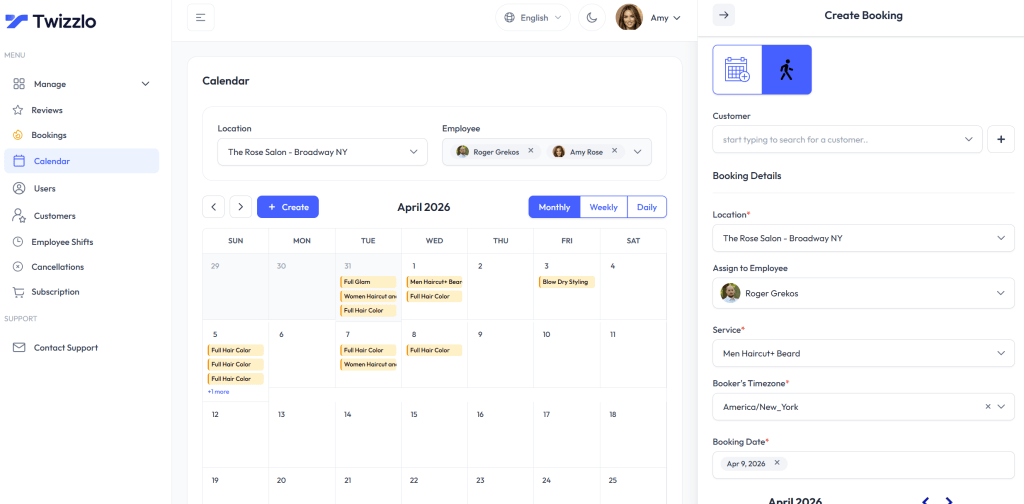
If you want one system to handle bookings, client records, staff scheduling, and multi-location growth without pricing tiers getting in the way, Twizzlo is worth a look. It’s built for appointment-based businesses that need predictable software costs and one place to run daily operations.

author avatar
Roger Grekos Founder - Editor
Roger Grekos is the founder of Twizzlo, a flat-rate appointment booking platform built for salons, barbershops, spas, and service businesses. With over a decade in product management — including senior roles at Find.co and PayEm — he writes about the real operational challenges service business owners face every day.

One thought on “How to Start a Nail Salon: A 2026 Step-by-Step Guide

Comments are closed.

Discover more from Twizzlo

Subscribe now to keep reading and get access to the full archive.

Continue reading